
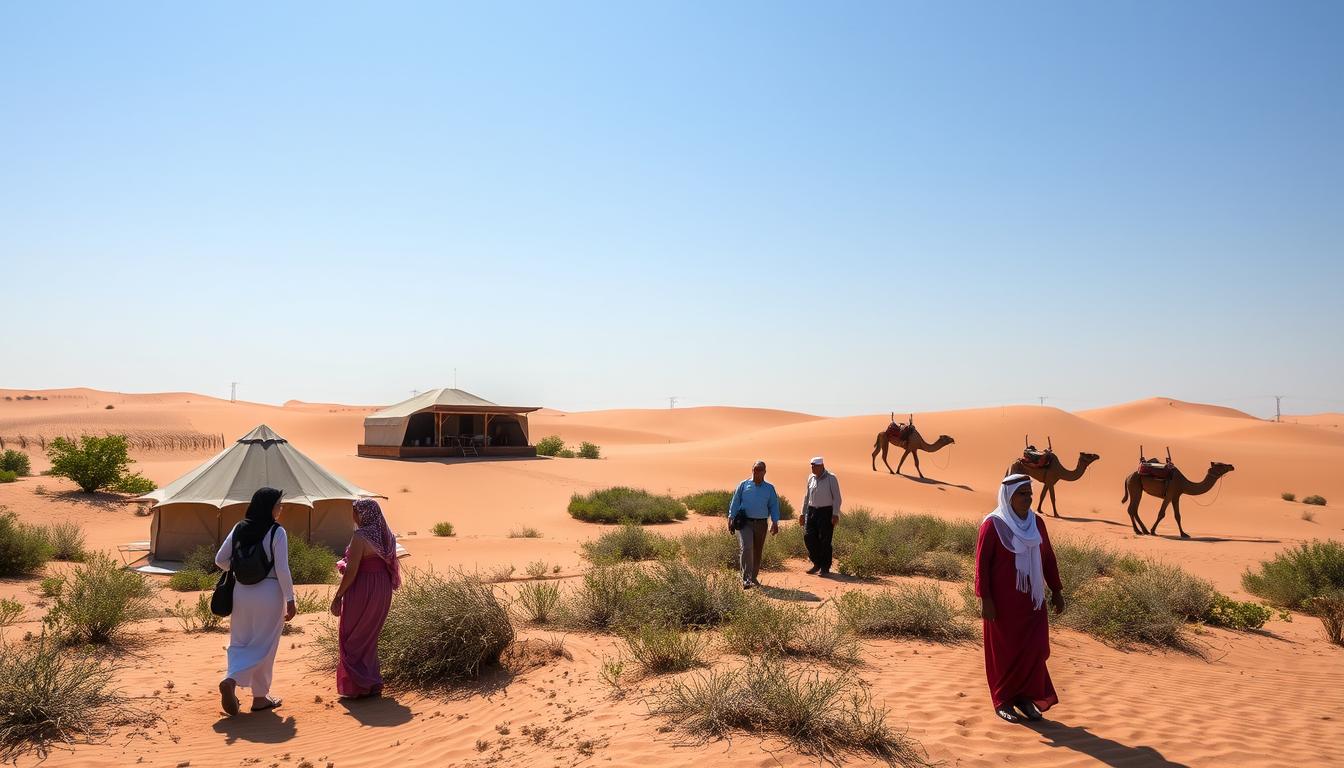
Desert safaris are a cornerstone of Dubai's tourism appeal, offering visitors a glimpse into the Arabian desert's vast beauty. As global awareness shifts towards responsible travel, a critical question emerges: is desert safari tourism in Dubai sustainable? The answer depends entirely on the type of safari chosen. A significant gap exists between traditional, high impact excursions and modern, conservation focused experiences. This assessment examines the environmental and ethical factors, providing a clear guide for conscious travelers.
The Core Debate: Traditional Safari vs. Sustainable Tourism
The sustainability of a Dubai desert safari hinges on its operational practices. Conventional tours often prioritize high adrenaline activities with little regard for the delicate desert ecosystem. In contrast, sustainable tourism models focus on conservation, cultural respect, and minimizing environmental impact, aligning with Dubai's broader green initiatives.
Understanding the Environmental Impact of Conventional Desert Safaris
The environmental concerns of Dubai desert safari tours are substantial when not properly managed. The primary damage stems from off road driving, particularly dune bashing. This activity leads to several negative consequences:
- Soil Compaction: Vehicle tires compress the desert sand, destroying its natural structure. This harms the cryptobiotic crust, a living layer of organisms that stabilizes the soil and retains moisture, which is essential for plant life.
- Habitat Destruction: Off road driving destroys the burrows of small mammals, reptiles, and insects. It also uproots native flora, such as the hardy Ghaf tree, which is vital for the survival of numerous species. The wildlife impact desert safari dubai can have is significant, disrupting breeding grounds and natural behaviors.
- Carbon Footprint: A large fleet of 4x4 vehicles used for these tours contributes to greenhouse gas emissions. The carbon footprint of a Dubai desert safari is a key consideration for its overall sustainability.
Is Dune Bashing Ethical in Dubai?
No, dune bashing is not considered an ethical or sustainable practice. The activity directly causes irreversible damage to the desert's fragile ecosystem. It prioritizes a momentary thrill over the long term health of the environment. Conservation focused organizations and responsible tour operators prohibit dune bashing entirely, viewing it as fundamentally incompatible with the principles of eco tourism and wildlife preservation.
Quad Biking in the Dubai Desert: A Closer Look at Sustainability
Quad bike tourism in Dubai presents a unique set of sustainability challenges. While popular, the impact of these vehicles requires careful management to prevent lasting environmental harm.
The Environmental Damage from Quad Bike Tourism
The environmental damage from quad biking in the Dubai desert is multifaceted. The primary issues include:
- Noise Pollution: The loud engines of quad bikes disturb wildlife, especially nocturnal animals that rely on a quiet environment for hunting and communication. This wildlife disturbance in Dubai desert tourism is a major concern.
- Soil Erosion: The tires of quad bikes churn up the soil, contributing to erosion and destabilizing the landscape. This is a clear example of the negative quad biking impact on the Dubai desert.
- Habitat Disruption: Unrestricted quad biking ventures far from designated trails, causing widespread damage to delicate flora and fauna habitats. This addresses the question, is quad biking in Dubai eco friendly? The answer is generally no, unless strictly regulated.
Are There Sustainable Quad Bike Tours in Dubai?
Sustainable quad bike tours are emerging but require strict adherence to specific guidelines. Responsible desert tourism in Dubai involves using designated, pre approved trails to contain the impact. This approach minimizes damage to the wider desert landscape. Furthermore, the transition towards electric quad bikes represents a significant step forward. These vehicles reduce both noise pollution and direct carbon emissions, offering a more eco friendly alternative. The sustainability of quad bike off road activities in Dubai depends heavily on these regulations and technological advancements.
The Blueprint for Sustainable Desert Experiences: The Dubai Desert Conservation Reserve (DDCR)
Dubai's commitment to conservation is best exemplified by the establishment of the Dubai Desert Conservation Reserve. This protected area serves as a model for how desert tourism can coexist with nature preservation.
What is the Dubai Desert Conservation Reserve?
The Dubai Desert Conservation Reserve (DDCR) is the UAE's first national park. This protected area covers 225 square kilometers, approximately 5% of Dubai's total land area. Its primary mission is the protection of the desert's biodiversity and cultural heritage. The reserve is a cornerstone of Dubai's desert conservation efforts, creating a safe habitat for native wildlife.
How are Desert Safaris Regulated in Dubai?
Within the DDCR, desert safaris are subject to stringent regulations. The Dubai desert safari regulations environment is tightly controlled to ensure minimal impact.
- A limited number of vetted tour operators are permitted to operate within the reserve.
- All vehicles must follow specific, designated routes to prevent widespread soil compaction and habitat destruction.
- Activities are focused on gentle wildlife drives and educational experiences, not high impact thrills like dune bashing.
- Guides are often trained conservationists who provide valuable information about the ecosystem.
Conservation Efforts and Success Stories
The DDCR is central to successful conservation programs. The most notable is the reintroduction of the Arabian Oryx, an animal once extinct in the wild. Today, a healthy, free roaming population thrives within the reserve's boundaries. This success story showcases the positive impact of regulated tourism, where visitor fees directly contribute to funding these vital conservation projects.
Greenwashing vs. Genuine Sustainability: How to Choose an Eco Friendly Desert Safari
As demand for sustainable travel grows, it becomes crucial for tourists to distinguish between genuine eco friendly operators and those who merely use "green" marketing terms. This process involves looking for specific markers of a truly responsible desert safari in Dubai.
Key Markers of a Truly Sustainable Operator
A genuinely eco friendly desert safari in Dubai will exhibit several key characteristics. Look for operators who:
- Prohibit Dune Bashing: They prioritize gentle wildlife drives over destructive activities.
- Operate within the DDCR: Certification to operate in the reserve is a strong indicator of a commitment to conservation.
- Manage Waste Effectively: They have a clear policy on waste management, often banning single use plastics and implementing robust recycling programs.
- Utilize Renewable Energy: Many sustainable camps are powered by solar panels, reducing their reliance on fossil fuels.
- Practice Water Conservation: They employ specific measures to conserve water, a precious resource in the desert environment.
Evaluating Cultural Authenticity
A sustainable tour also respects and preserves local culture. An authentic Bedouin experience focuses on genuine heritage. This includes sharing traditional Emirati cuisine, engaging in storytelling, and demonstrating practices like falconry with a deep respect for the tradition. It actively avoids inauthentic, imported entertainment, which has no connection to Emirati culture. This approach supports the local community and provides a more meaningful experience for visitors.
Ethical Animal Encounters: Camels and Falconry
Ethical tourism extends to the treatment of animals. The question "is camel riding considered sustainable?" depends entirely on animal welfare standards. Reputable operators adhere to international guidelines, such as the Five Freedoms for animals, ensuring camels are well cared for, not overworked, and treated with respect. Ethical falconry demonstrations focus on education and the natural behaviors of the birds, rather than pure spectacle. Responsible wildlife viewing from a distance is always preferred to direct interaction that could cause stress to the animals.
The Tourist's Role in Promoting Responsible Desert Tourism
Tourists hold significant power in shaping the tourism industry. By making informed choices, visitors can support operators who prioritize sustainability and encourage others to adopt more responsible practices.
How Can Tourists Minimize Their Impact in the Dubai Desert?
To minimize your environmental impact, follow the "Leave No Trace" principles. This means taking all rubbish with you, not disturbing wildlife, and leaving flora and natural objects as you found them. Always stay on marked trails during any activity, whether walking or in a vehicle. Choosing certified operators is the most impactful decision a tourist can make.
10 Critical Questions to Ask Your Safari Operator
Before booking a desert safari, empower yourself by asking direct questions. This helps you verify an operator's claims and make an informed decision.
- Do you operate inside the Dubai Desert Conservation Reserve?
- What is your specific policy on dune bashing?
- How do you ensure the welfare of your camels and other animals?
- Is your desert camp powered by solar energy or a generator?
- What measures do you have in place for waste management and recycling?
- Do you have a ban on single use plastics at your camp?
- Are your guides trained in conservation and local ecology?
- How do you support the local community and preserve Emirati heritage?
- Do you offer alternatives to quad biking, such as guided nature walks?
- Can you provide information on your company's sustainability certifications?
The Future of Dubai's Desert Tourism: Vision and Innovation
The long term impact of Dubai's desert safari industry is trending towards greater sustainability. This shift is driven by government policy, operator innovation, and growing consumer demand for responsible travel.
Aligning with Dubai's Vision for Sustainable Tourism
The move towards eco friendly desert safaris aligns with Dubai's broader vision for sustainable tourism. Government policies and initiatives, as detailed in the Dubai tourism sustainability report, encourage the tourism sector to adopt greener practices. This includes reducing the industry's carbon footprint, protecting natural heritage, and promoting the UAE as a leading destination for sustainable travel. The government's support for protected areas like the DDCR is a clear indication of this commitment.
Eco Friendly Alternatives and Innovations
The future of desert adventures lies in low impact, high value experiences. Eco friendly alternatives to traditional activities are becoming more popular. These include:
- Guided Wildlife Photography Tours: Led by expert guides who know the best spots to view animals without disturbing them.
- Astronomical Stargazing Sessions: Taking advantage of the clear desert skies away from city lights.
- Guided Nature Walks: Allowing for an intimate and educational exploration of the desert's unique flora and fauna.
- Electric Vehicle Safaris: A growing number of operators are transitioning their fleets to silent, zero emission electric vehicles, completely transforming the safari experience.
Conclusion: A Conscious Choice for a Sustainable Future
So, is desert safari tourism in Dubai sustainable? It can be, but it requires a conscious and informed choice. The traditional model of high speed dune bashing and unregulated off roading is unequivocally damaging to the environment. However, a new model for Dubai eco tourism in the desert has emerged, centered on the principles of conservation, education, and cultural respect.
By choosing operators who are certified to work within the Dubai Desert Conservation Reserve, who prohibit destructive practices, and who prioritize ethical and authentic experiences, tourists can directly contribute to the preservation of the Arabian desert. This shift ensures that the magic of the desert can be enjoyed by future generations while supporting the long term sustainability of Dubai's tourism landscape.